How can remanufacturing in a circular economy enhance communities across the UK?
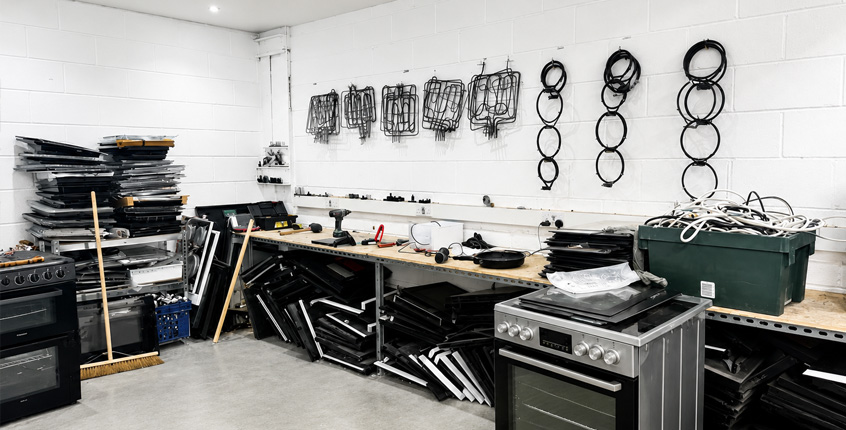
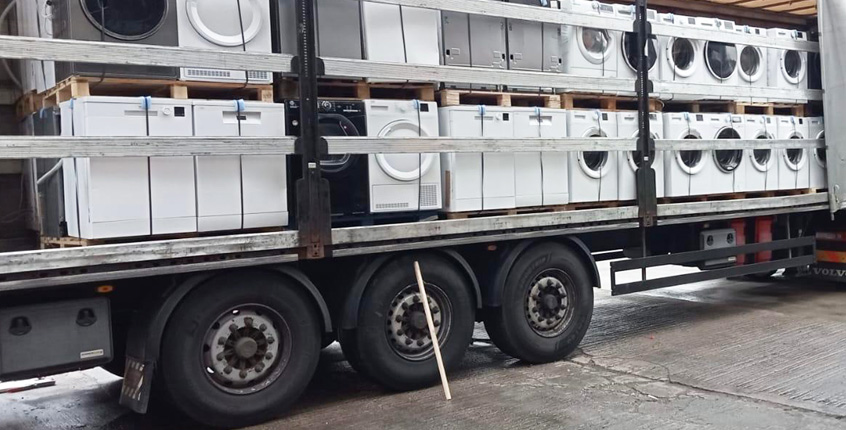
Remanufacturing and preparing products for reuse are fundamental to building a more resilient and inclusive circular economy. By extending the useful life of electrical appliances, the reuse project not only diverts valuable products from premature recycling but also creates a continuous cycle of learning that improves the way products are designed, repaired and managed throughout their lifecycle.
Every appliance successfully remanufactured provides valuable insight into product durability, common failure points, repairability and component performance.
This knowledge helps manufacturers, policymakers and the wider industry better understand how future products can be designed for longevity, easier repair and reduced material consumption, ultimately preventing waste before it is created. The benefits extend far beyond environmental outcomes.
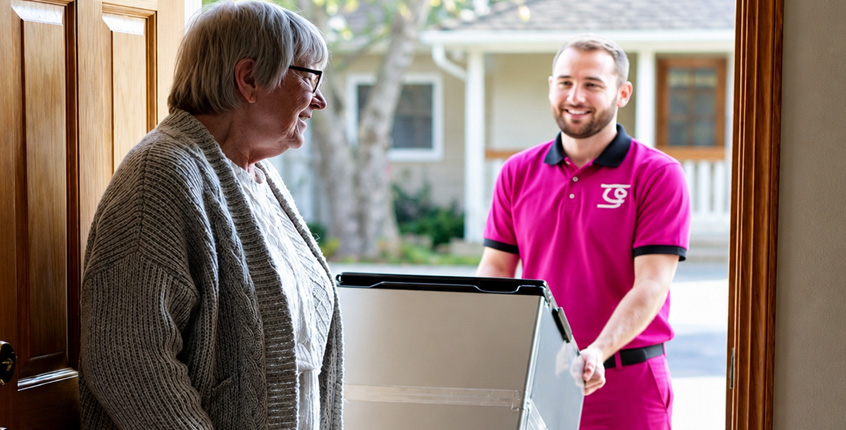
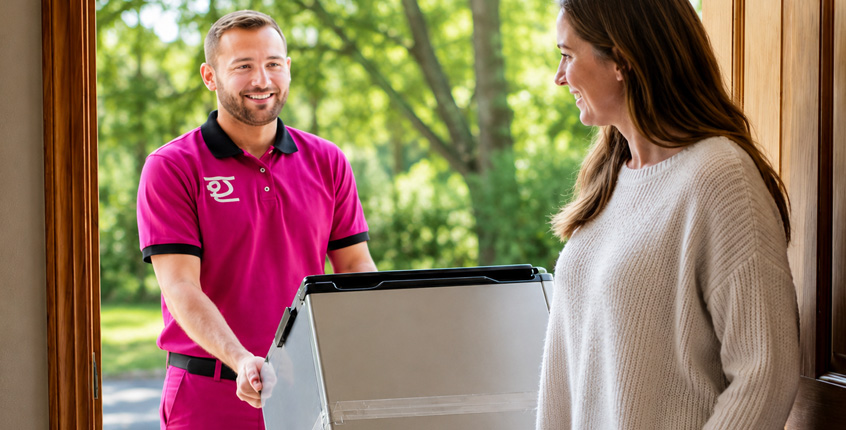
By returning safe, tested and fully functional appliances to the market, the project helps tackle appliance poverty by providing affordable essential household goods to families, charities and vulnerable communities across the UK. This reduces the financial burden of replacing essential appliances while improving quality of life for thousands of households. In parallel, remanufacturing supports skilled employment, develops technical repair expertise, strengthens domestic supply chains and reduces the UK’s reliance on virgin raw materials. By retaining the value of products already in circulation, communities benefit from lower carbon emissions, reduced resource extraction and greater local economic resilience.
Ultimately, remanufacturing demonstrates that electrical products should not be viewed as waste at the end of their first life, but as valuable assets capable of delivering social, environmental and economic value for many years to come. It is through this transition from a linear “take, make, dispose” model to a truly circular economy that communities across the UK can become more sustainable, more resilient and better equipped to meet future environmental and social challenges.
What is the role of technology in the Reuse Project?
Technology is fundamental to the success of the Reuse Project, enabling greater transparency, efficiency and confidence across every stage of the circular economy.
Advanced digital technologies support the remote monitoring of electrical appliances throughout their extended lifecycle, providing valuable insight into energy consumption, product performance and durability. This enables reuse programmes to adapt to emerging technologies, such as heat pump appliances, ensuring that products remain both energy efficient in their first life and suitable for safe, effective reuse in their second.
Technology also enables the accurate capture, management and reporting of circular economy data to recognised industry standards, providing a reliable evidence base for environmental reporting, compliance and impact measurement.
The intelligence gathered through reuse activities creates an important feedback loop into global manufacturing supply chains. By analysing product performance, repair trends and common failure modes, manufacturers can make more informed design decisions that improve reliability, repairability and product longevity, reducing waste before it is created.
Digital platforms further enhance accessibility by connecting households, charities, local authorities and retailers with reuse services, ensuring that the environmental and social benefits of the circular economy are available to all members of society.
Ultimately, technology provides the visibility needed to measure and demonstrate the true value of reuse. By bringing together operational, environmental and social data, it shines a spotlight on the positive impact of the UK’s circular economy, supporting evidence-based decision-making and accelerating the transition towards a more sustainable and resource-efficient future.
What additional positive impact can the reuse project have?
Beyond the direct environmental benefits of extending product lifecycles and reducing carbon emissions, the reuse project has the potential to deliver significant social, economic and educational outcomes for communities across the UK.
One of the most important impacts is its ability to tackle appliance poverty. The lack of access to essential household appliances is an often-overlooked driver of financial hardship and social inequality. By making safe, quality-assured refurbished appliances available to households in need, the project can reduce the cost of living while improving health, wellbeing and quality of life.
AdvantagesAccess to a refrigerator, for example, enables families to purchase and safely store fresh food, reducing reliance on more expensive convenience foods and takeaways while supporting healthier diets. Likewise, access to a washing machine can have a transformative effect on household dignity, personal wellbeing and financial resilience by eliminating the ongoing cost of laundrette services and improving everyday living standards. The project also has an important role to play in reducing digital exclusion. Products such as televisions, computer monitors and other electronic equipment provide access to educational content, public information, employment opportunities and digital services, helping individuals remain connected to society. For many vulnerable households, these products are far more than consumer goods—they are gateways to learning, communication, entertainment and social inclusion. Reuse also creates opportunities to develop practical skills and employment pathways. The preparation, testing, repair and remanufacture of electrical products supports the development of technical skills within the green economy, creating meaningful employment and training opportunities while helping to address future skills shortages within the repair and circular economy sectors. Beyond the immediate social benefits, the project generates valuable intelligence for manufacturers, policymakers and the wider circular economy.
Future Project Design
Every appliance prepared for reuse provides insight into product durability, common failure modes, repairability and component reliability. This evidence can inform future product design, encourage greater repairability and improve resource efficiency, supporting the development of longer-lasting products that are better suited to a circular economy.The project also contributes to greater resource security by extending the useful life of products containing critical raw materials, reducing demand for virgin resource extraction and strengthening the resilience of domestic supply chains. As pressure grows on the availability of critical minerals used in electronic products, extending product lifecycles becomes increasingly important from both an environmental and economic perspective. Ultimately, the reuse project demonstrates that waste electrical equipment should not simply be viewed as a recycling challenge, but as a social, environmental and economic opportunity. By extending product lifecycles, reducing carbon emissions, alleviating appliance poverty, supporting skills development, reducing digital exclusion and generating valuable evidence to inform future product innovation, the project delivers long-term value for people, communities, industry and the UK economy. It provides a practical example of how circular economy principles can create measurable benefits that extend far beyond waste management alone.
What does success look like for this project?
Success for this project extends far beyond the number of appliances reused. It will be measured through a combination of environmental, social, economic and educational outcomes, demonstrating that a scalable circular economy model can deliver measurable benefits for communities, industry and the climate. The project is expected to prevent approximately 25,000 tonnes of CO₂e emissions each year by extending the useful life of domestic electrical appliances and reducing the demand for new product manufacture.
However, the true measure of success lies in the project’s ability to replicate this impact across the UK through a network of regional reuse hubs and community partnerships.
In recent years, the project has expanded to seven additional outreach locations across the UK, from Preston to Ipswich, while also establishing a significant presence within the prison estate, where appliance remanufacturing provides meaningful rehabilitation, skills development and pathways into employment. Continued expansion of this network will ensure that reuse becomes a locally accessible solution rather than a specialist activity concentrated in a small number of locations.
Success also means creating a trusted and professional reuse ecosystem where every appliance is tested, repaired, certified and tracked through robust digital systems. By capturing detailed information on product failures, repair methods, component performance and carbon savings, the project will generate one of the UK’s most valuable datasets on second-life electronics. This information can support manufacturers in improving product design, durability and repairability, while helping policymakers and consumers better understand the environmental value of extending product lifecycles.
Ultimately, the project aims to demonstrate that reuse is not simply a waste management activity, but a strategic component of the UK’s transition to a circular economy. Success will be reflected in increased regional reuse capacity, greater public confidence in refurbished appliances, measurable reductions in appliance poverty, stronger employment and training opportunities, improved product design through data-driven insights, and a nationally recognised model that combines environmental impact with social value and economic resilience.
What do we want everyone to know about the power of the reuse project as a climate tool?
The power of the reuse project lies in its ability to transform end-of-life products into measurable climate action. By investing in reuse initiatives such as those delivered by The Appliance Recycling Group, businesses can achieve significant Scope 3 carbon reductions by extending product lifecycles, avoiding the emissions associated with manufacturing replacement products, and supporting a truly circular economy. Unlike many decarbonisation measures, reuse delivers environmental, social and economic benefits simultaneously.
Environmental, Social and Economic BenefitsUnlike many decarbonisation measures, reuse delivers environmental, social and economic benefits simultaneously. For organisations committed to net zero, reuse represents one of the most immediate and tangible climate tools available—turning retired products into measurable carbon savings while protecting the UK’s resources, strengthening domestic circular economy infrastructure and demonstrating environmental leadership.
What are the challenges to the reuse project?
One of the greatest challenges facing the reuse project is the continued decline in the cost of newly manufactured electrical goods. In many cases, consumers can purchase a brand-new appliance at a relatively low price, often with extended warranties, finance options and attractive promotional offers. This can make the environmental and social benefits of choosing a refurbished appliance less immediately compelling. The project must also overcome perceptions around quality and reliability. Although professionally refurbished appliances are thoroughly tested, certified and safe for reuse, many consumers remain unfamiliar with the standards that underpin the refurbishment process and may still associate second-hand products with increased risk or reduced performance.
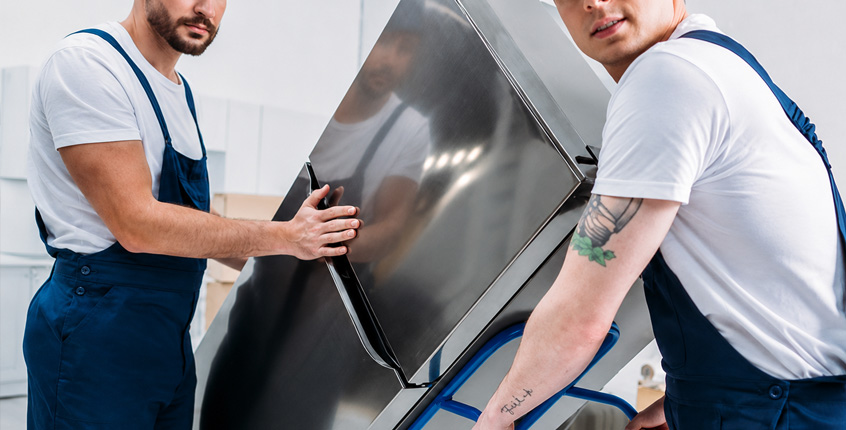
Securing long-term commitment from retailers, manufacturers and other stakeholders is another challenge. While reuse delivers significant carbon savings and supports circular economy objectives, integrating reuse into existing commercial models requires changes to established processes, investment in infrastructure and recognition of the wider environmental value created beyond immediate financial returns. There are also operational challenges. Collecting, transporting, testing, repairing and redistributing appliances at scale requires skilled technicians, robust quality assurance processes and efficient logistics. The availability of spare parts, access to technical repair information and evolving product design can all influence the success and cost-effectiveness of preparing appliances for reuse. Despite these challenges, increasing awareness of climate change, resource scarcity and the need to reduce Scope 3 emissions presents a significant opportunity. As businesses and consumers place greater value on sustainability, reuse is becoming recognised not simply as a waste management solution, but as a practical climate action tool that reduces carbon emissions, extends product lifecycles and delivers meaningful social value to communities across the UK.
What innovations or partnerships can help overcome these challenges?
Innovation in the supply chain is fundamentally redesigning how electrical products are managed at the end of their first life, shifting the focus away from disposal and towards reuse. Traditional waste management infrastructure—including skips, shredders, incinerators and landfill—has been designed to recover materials rather than preserve products. While these methods remain important, they do little to support the upper tiers of the waste hierarchy or enable the learning, repair and remanufacturing activities that underpin a truly circular economy. Overcoming these challenges requires greater collaboration across manufacturers, retailers, logistics providers, local authorities, Producer Compliance Schemes, social enterprises and community organisations. By sharing data, improving product traceability and integrating reuse into reverse supply chains from the point of collection, products can be identified, tested and redirected for a second life before they enter the recycling process.
Technology will also play a central role. Digital product passports, condition assessment tools, predictive diagnostics and lifecycle data can improve decision-making, increase confidence in refurbished products and provide valuable feedback to manufacturers to improve future product design, repairability and durability.Equally important is building partnerships that promote community reuse and support the growing Right to Repair movement. Providing consumers, repair cafés, educational institutions and community workshops with access to affordable parts, technical information and quality-assured products can help develop practical repair skills while extending product lifecycles. Under appropriate safety and quality controls, these initiatives empower hobbyists and local communities to participate in the circular economy, reducing waste, avoiding unnecessary carbon emissions and lowering the cost of living.
As reuse becomes more mainstream, collaboration between industry, government and communities will create new employment opportunities, strengthen domestic repair capability and improve resource resilience across the UK. Together, these innovations and partnerships will help transform waste management from a linear disposal model into a circular system that delivers environmental, social and economic value.
What does success look like for this project?
It is estimated that this project will reduce 25,000 tonnes of CO2e each year. Statistics into the project’s usefulness, and its carbon impact, much relate to the reach of the project itself. In recent years, the project has developed seven additional outreach sites across the UK, spanning from Preston to Ipswich, but also have a notable footprint as part of prisoner rehabilitation inside the HMP environment.
The goal for this project is to drive more regionalreuse activities, and one which not only encourage safe and functional resale environments, but ones which value and nurture the role of data in this process.
What do we want everyone to know about the power of the reuse project as a climate tool?
By investing in the reuse projects like The Appliance Recycling Group, a businesses can have a significant impact on its carbon balance sheet, whilst promoting and protecting the interests of the UK circular economy.
What are the challenges to the reuse project?
The reuse project faces several challenges, primarily which are driven by the cost of newly manufacturered goods on the high street. Not only a buy in for retail stakeholders, but for the consumers to think green, when the cost of new product with extended warranties, makes social and environmental thinking, more difficult.
What innovations or partnerships can help overcome these challenges?
Supply chain innovation is being used to redesign traditional thinking, in a way which makes reuse possible.Traditional waste management resources like skips, shredders, incinerators and landfills do not promote high level waste hierarchy activity and are limited in their learning, in a circular economy. Visibility remains key, promoting community reuse activities, and building upon the right to repair movement, will be key, under specific controlled conditions, and ones which will also save consumers money, time and carbon as the movement becomes more mainstream, which will help develop hobbyists who also avoid their own carbon, whilst making a singular impact.